All Posts
February 5, 2026

Everything You Need to Know about TMJ Disorders

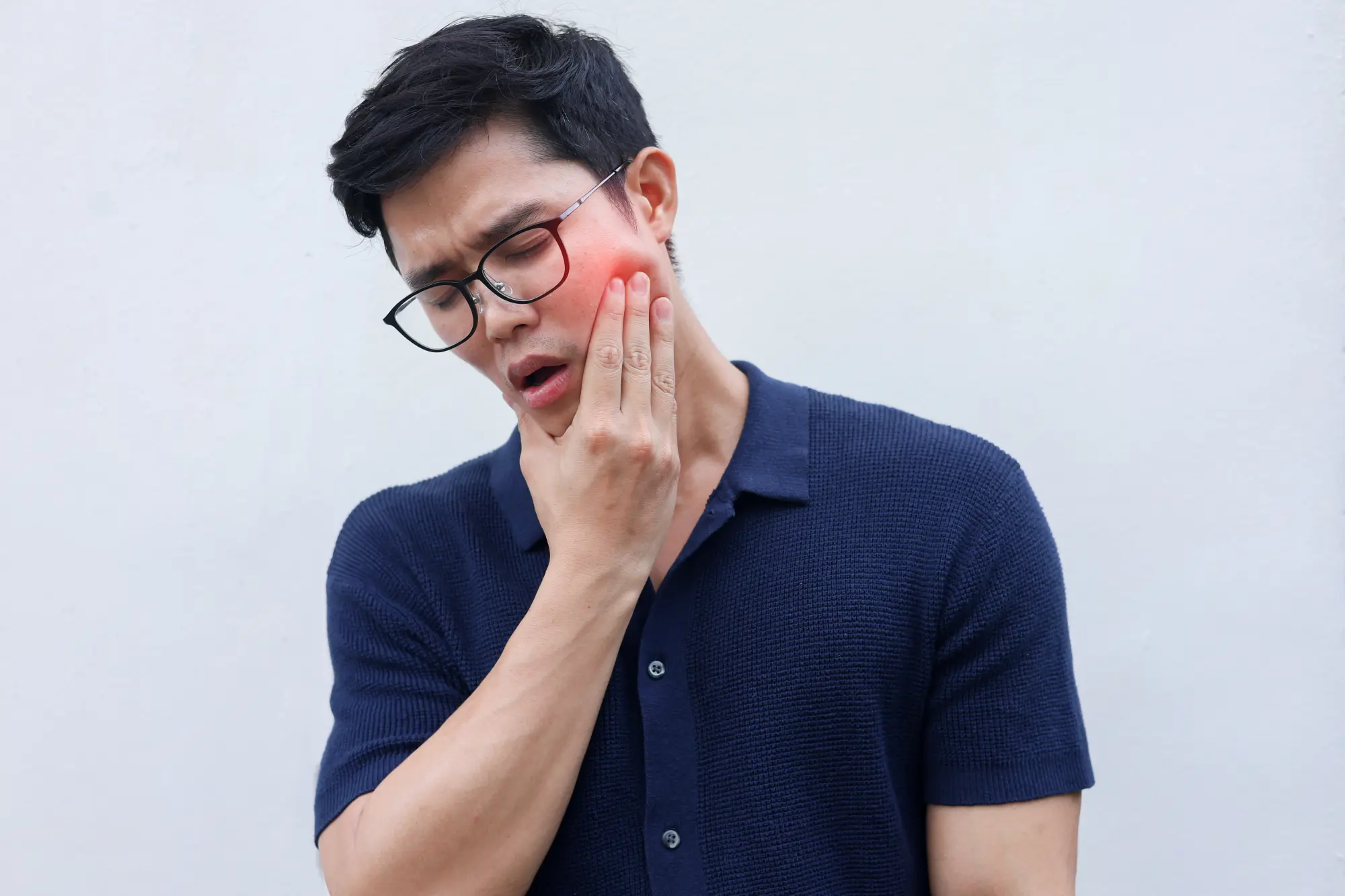
Ever hear someone claim to have TMD or TMJ but have no idea what that means? According to the National Institute of Dental and Craniofacial Research, this disorder affects more than 10 million people in the United States, so it’s probable that you know someone who has it. We’re here to inform you of some TMJ and TMD-related information.

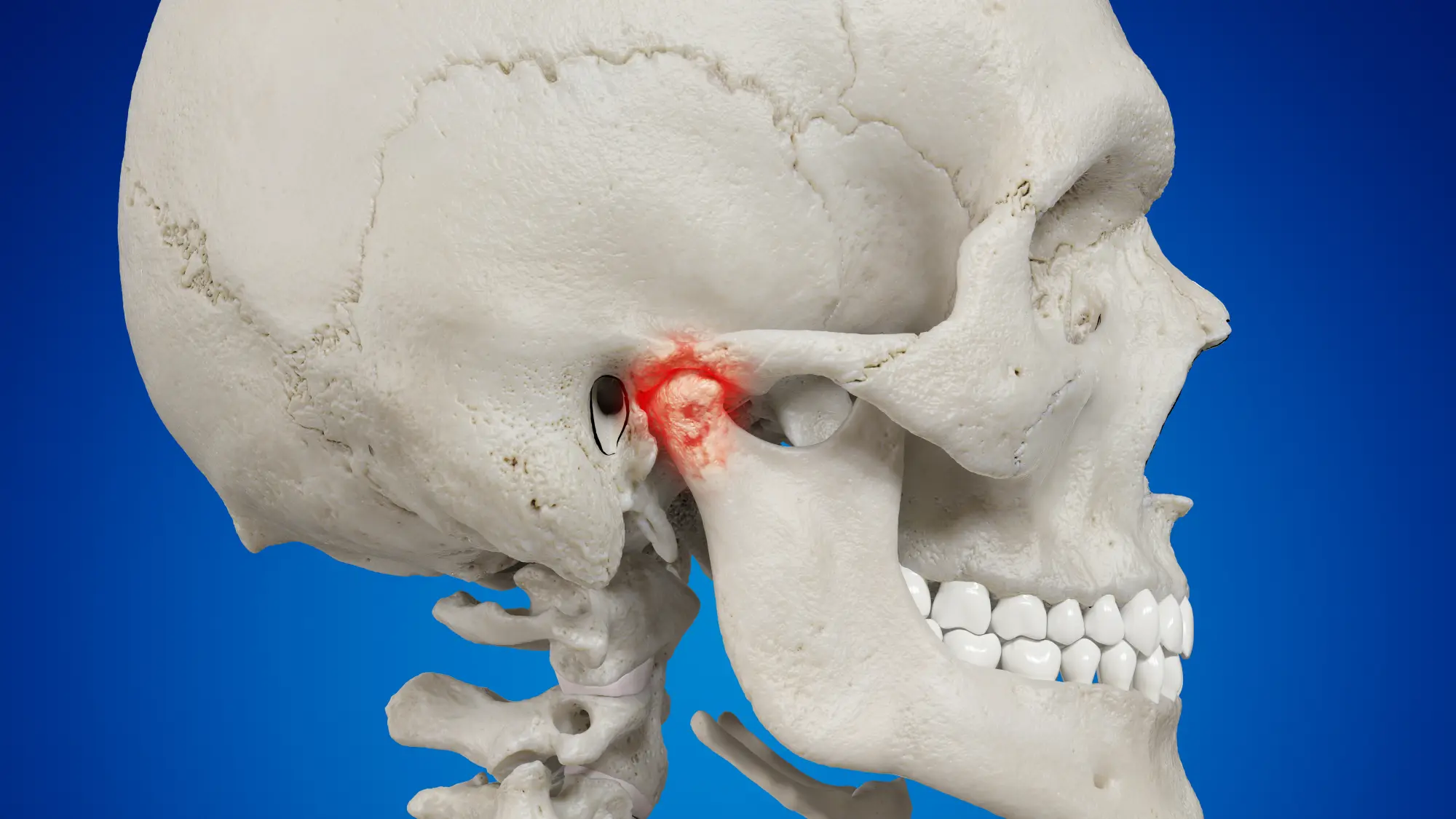
An umbrella term for more than 30 illnesses, temporomandibular disorders (TMDs) is characterized by pain and dysfunction in the jaw joint and the muscles that regulate the movement of the jaw. The temporomandibular joint alone is referred to as the “TMJ” and the abnormalities are referred to as “TMDs.” Each side of the jaw contains a TMJ in a person. Putting your fingers in front of your ears while opening your mouth will allow you to feel them.

  • Conditions affecting the discs, as well as joint conditions.
  • Conditions affecting the chewing muscles (masticatory muscles).
  • Pain brought on by a TMD.

Each class contains a number of disorders. For some examples, see the illustration below.

Numerous TMDs have a brief lifespan and simply disappear. Although they occasionally take a long time to go away or become persistent. TMDs can also happen on their own or in conjunction with other health issues such as fibromyalgia, irritable bowel syndrome, headaches, back pain, and sleep issues.

Women are twice as likely to have temporomandibular disorders as men, particularly if they are between the ages of 35 and 44.

Some TMDs can be caused by trauma to the jaw or temporomandibular joint, but this is not always the case. Many patients report that their symptoms appear to start suddenly. According to recent studies, a combination of genes, psychological and life factors, as well as how someone experiences pain, may contribute to how a TMD develops and how long it will endure.

It might be challenging to pinpoint the exact cause of TMJ issues, but some potential causes include:

  • Injury or trauma, such as a blow to the joint or another event that shifts the position of the jaw and teeth,
  • teeth clenching or grinding
  • Arthritis, which can harm the cartilage in joints
  • The disk is moved out of its proper alignment.
  • Erosion of discs

TMJ Symptoms and Signs

TMJ issues are associated with a variety of symptoms. These signs could appear on both sides of your face or just one. Some signs include:

  • Particularly in the jaw joint and/or chewing muscles, there is pain and tenderness (the most common symptom)
  • Tense jaw muscles
  • Limited jaw movement or locked jaws
  • Jaw, face, or neck pain that radiates
  • A modification to how the upper and lower teeth fit together
  • When closing or opening the mouth, there is excruciating clicking, popping, or grinding in the jaw joint.
  • Discomfort or difficulty chewing
  • Pain in and around your ear
  • Can TMJ cause back pain? in some cases, yes.

Diagnosis

There isn’t a widely used, recognized test for TMD diagnosis. It might be challenging to diagnose many conditions because the precise causes and symptoms are unclear.

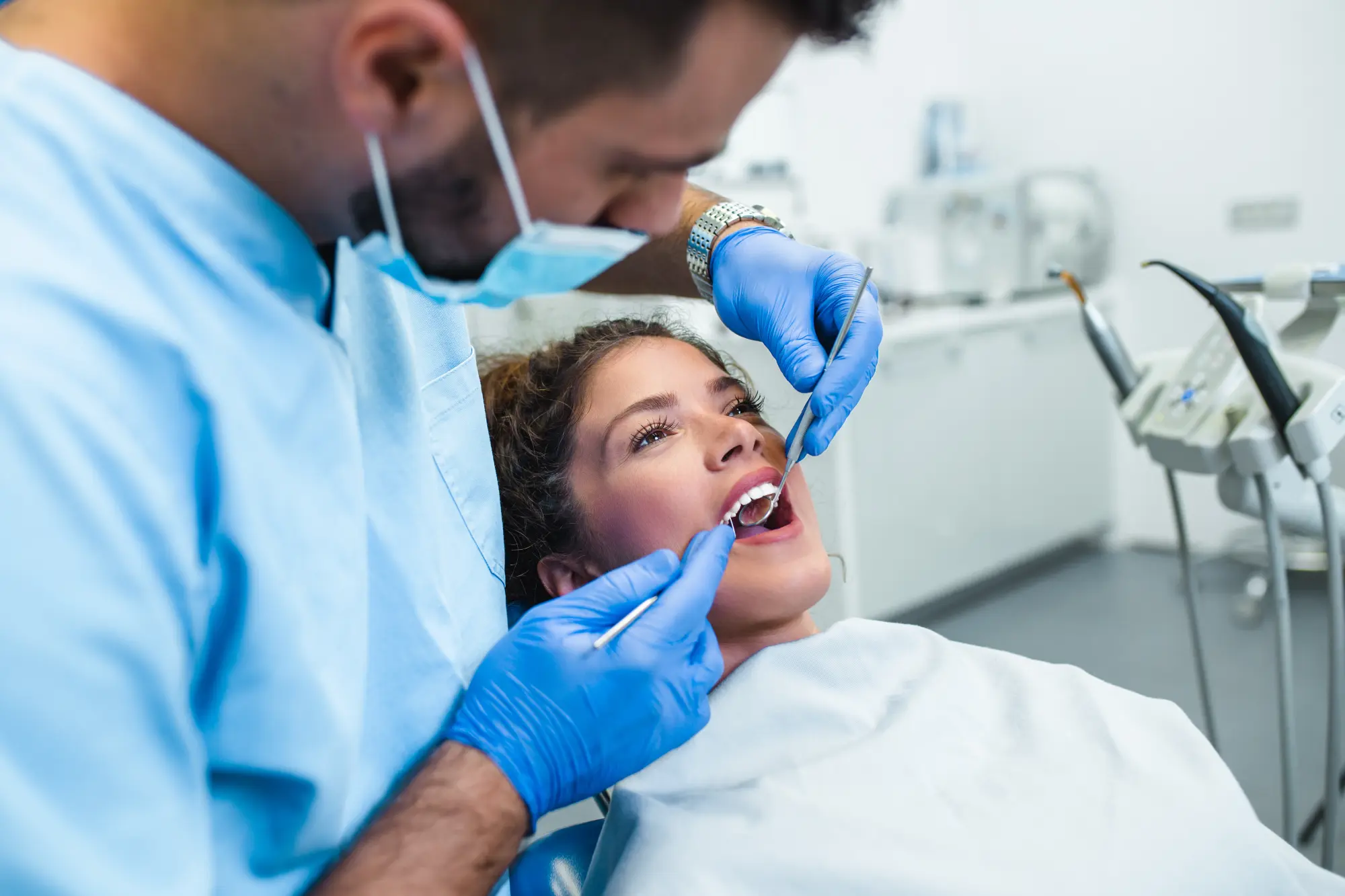
In addition to noting your symptoms, your doctor or dentist for TMJ will document a full medical history. He or she will enquire about your pain, including where it is, when it happens, what makes it better or worse, and whether it only affects that portion of your body or whether it spreads to other areas. If you have other pain conditions, such as headaches or back pain, the doctor or dentist will also inquire.

Additionally, he or she will look for any discomfort, jaw clicking or popping, or difficulties moving your head, neck, face, or jaw. The physician or dentist may also recommend imaging tests like an x-ray, an MRI, or a computed tomography (CT).

TMDs may or may not be a factor in a person’s facial, jaw, or mouth pain. Prior to making a TMD diagnosis, your doctor or dentist may need to rule out other diseases.

TMJ Pain Treatment

You should be aware of the following before beginning TMJ dysfunction treatment

Temporomandibular joint noises that don’t cause pain are common, natural, and don’t require medical attention.

In many cases, TMD symptoms and signs disappear on their own without medical intervention.

Experts strongly advise against using TMD therapies that alter the jaw joints, teeth, or bite permanently or that need surgery because the majority of them lack sufficient evidence to support their use.

Nonsurgical Interventions

A simple treatment can be all that is required because many jaw joint and muscle issues are transient and do not worsen.

Your physician or dentist may recommend the following TMJ disorder treatments if you initially have pain in your jaw muscles or joints:

  • Eat soft foods.
  • To gently stretch and develop the jaw muscles, apply heat or ice to your face while performing exercises.
  • Nonsteroidal anti-inflammatory drugs (NSAIDs), such as ibuprofen, are an example of over-the-counter medicines.
  • Don’t bite your nails, chew gum, or clench your jaw.

Physical Therapy

Maintaining, enhancing, or regaining movement and physical function is the aim of physical therapy. There are various forms of physical therapy. One kind is physical therapy, in which a therapist stretches the muscles and soft tissues surrounding the joint using their hands. It has been demonstrated that manual therapy can aid with pain relief and functional improvement.

  • Behavioral health approaches and self-management
  • Self-management refers to things you can handle on your own, like:
  • Study up on the particular TMD type or types that you have.
  • Study relaxation and meditation techniques.
  • To help you manage your condition, set up precise goals

Medical and dental procedures, including surgery

The procedures covered in this part are more involved, involving inserting something into your temporomandibular joints or chewing muscles, altering your teeth and bite, or all of the above. More significantly, some of them, such as occlusal therapies (see below), are ineffective and might even exacerbate the issue. Prior to any of the following procedures:

  • Ask your doctor about less complex options, then start there.
  • Ask the doctor or dentist to thoroughly and understandably explain the procedure.
  • Inquire as to how the procedure will aid to better your particular TMD.
  • Discuss with the risks.
  • Check with reputable medical or dental experts for second perspectives.

Treatments for Occlusion

How teeth fit together is referred to as occlusion. There has never been any evidence to support the long-held idea that TMDs are caused by teeth that are not properly aligned (malocclusion). Treatments for occlusion alter the bite and teeth. For example

  • Dental crown placement
  • Teeth being ground down.
  • Repositioning any, all, or some of the teeth with orthodontic treatment(s).

Botulism Toxin

Muscles are loosened with botulinum toxin type A. TMDs are not among the conditions for which it has FDA approval. In order to lessen pain and muscle spasms, studies have looked into injecting botulinum toxin type A into the chewing muscles.

Arthroscopy

A small video camera-equipped tool is inserted into the jaw joint by the doctor during an arthroscopy. The joint can be seen by the doctor, which can aid in diagnosis. Also possible are adhesion removal and disc realignment in the joint. When it comes to reducing pain and enhancing function, this therapy works mediocrely well.

Surgery 

Through an opening (incision) close to the ear, the temporomandibular joint is accessible during open surgery. It’s crucial to understand that surgery permanently alters your joint. There are no extensive studies on the effectiveness of open surgery in treating TMD symptoms or its safety.

Surgery should only be considered if the joint has been destroyed, and subsequent operations cannot repair it. Despite trying different therapies, there are still severe symptoms (pain and/or difficulty opening the mouth).

TMJ 

Implants Artificial devices called implants are used to replace all or a portion of the jaw joint. Currently, the FDA has authorized three TMJ implants.

Implants could be a consideration if:

  • The joint has been damaged.
  • You are born with a problem called a congenital ailment that needs to be fixed.
  • Ankylosis, a frozen joint, is frequently brought on by an infection or injury.
  • The joint has sustained serious injury.
  • There is still discomfort.

All less complex forms of treatment have been attempted and failed

Share This Post

Explore More Blogs

View All
February 5, 2026

Welcome to Suburban TMJ & Sleep Center

At Suburban TMJ & Sleep Center, care is a team effort. From the moment you walk through our doors, you’ll be welcomed by a knowledgeable and friendly staff who are committed to making your experience as comfortable as possible.

Read More
February 5, 2026

Are You Dealing with Sleepless Nights?
Read More
February 5, 2026

Sleep Better with Oral Appliance Therapy: Dr. Hitesh Patel’s Tips

Read More
February 5, 2026

Hidden Health Issues Associated With Sleep Apnea

Read More
February 5, 2026

Need To Know About Sleep Apnea Treatment

Read More
February 5, 2026

Questions to Ask at a Sleep Apnea Treatment Center

Read More
February 5, 2026

Exploring the Connection Between Sleep Apnea and TMJ Disorders

Read More
February 5, 2026

How to Tell If Your Headache Is Actually a Migraine

Read More
February 5, 2026

4 Types Of Headaches: Which Kind Is Causing You Pain?

Read More
February 5, 2026

Your Journey to Better Sleep: Lifestyle Changes to Complement Sleep Apnea Treatment

Read More
February 5, 2026

Travel Tips for Sleep Apnea and TMJ Disorder Patients

Read More
February 5, 2026

Boosting Energy Levels While Managing Sleep Apnea and TMJ Disorders

Read More
February 5, 2026

Combating Fatigue and Daytime Sleepiness: The Role of Sleep Apnea Treatment

Read More
February 5, 2026

The Relationship Between Sleep Apnea and Your Oral Health

Read More
February 5, 2026

Sleep Apnea and the Risk of Motor Vehicle Accidents: Understanding the Dangers and Treatments
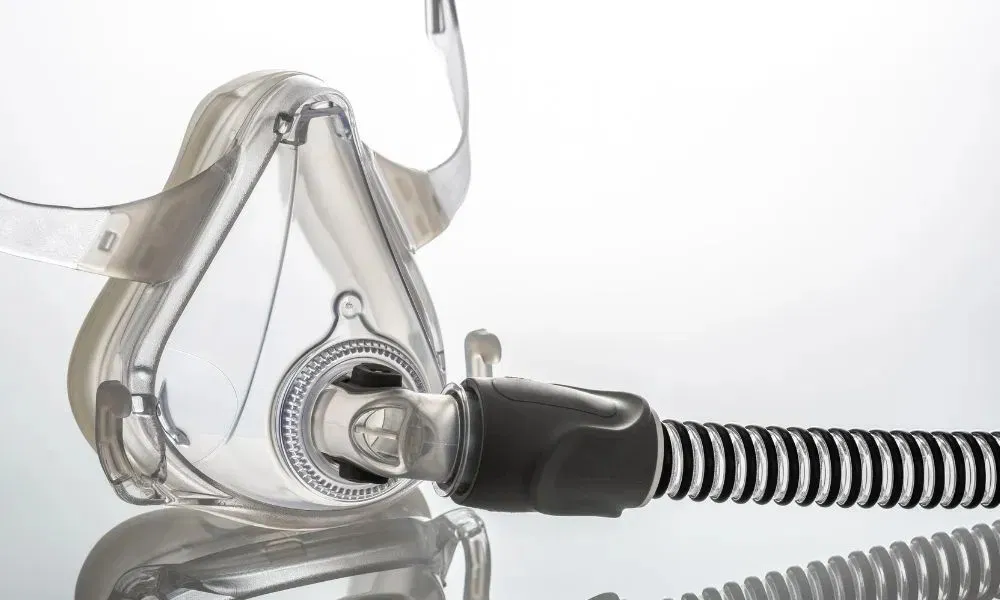
Read More
February 5, 2026

The Impact of Sleep Apnea on Children: Symptoms, Causes, and Intervention

Read More
February 5, 2026

How Does Sleep Apnea Affect Your Heart? Exploring the Link and Addressing the Risks

Read More
February 5, 2026

The Unique Benefits of Oral Appliance Therapy for Sleep Apnea: Customized Solutions to Transform Your Sleep
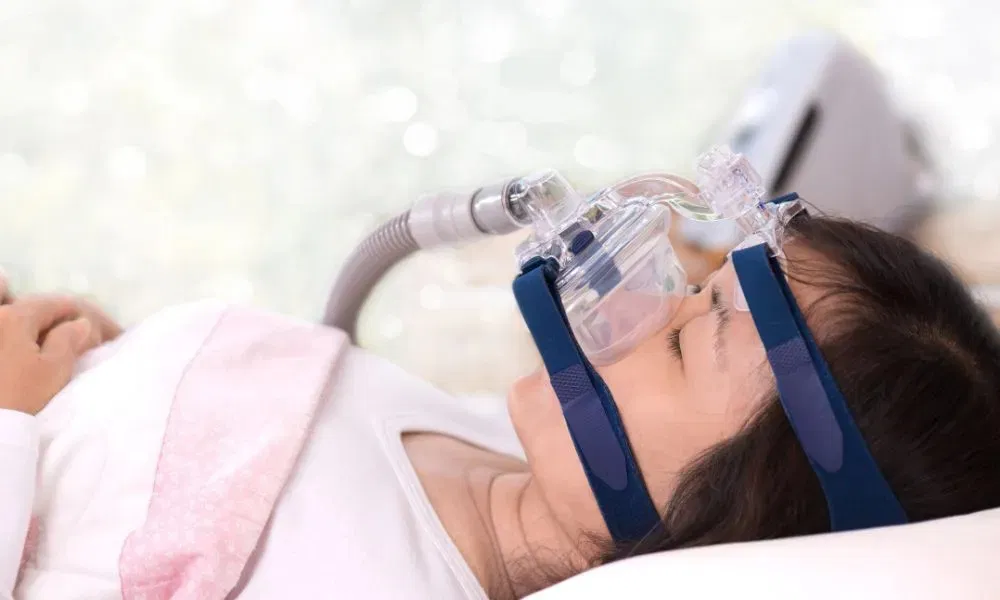
Read More
February 5, 2026

Understanding the Impact of Sleep Apnea on Daily Life: Treatments to Help You Reclaim Your Rest

Read More
February 5, 2026

Exploring the Relationship Between Sleep Apnea and TMJ Disorders
Read More
February 5, 2026

Recognizing the Link Between Sleep Apnea and TMJ Disorders: Diagnosis and Treatment

Read More
February 5, 2026

The Benefits of Combining Oral Appliance Therapy and Lifestyle Changes for Sleep Apnea Management
Read More
February 5, 2026

Understanding the Symptoms and Risks of Sleep Apnea: Alternative Treatment Options

Read More
February 5, 2026

The Benefits of Oral Appliance Therapy for Snoring and Mild to Moderate Sleep Apnea
Read More
February 5, 2026

Understanding Sleep Apnea in Children: Symptoms, Risks, and Treatment Solutions
Read More
February 5, 2026

Bruxism and Sleep Apnea: Identifying Symptoms and Seeking Treatment

Read More
February 5, 2026

Sleep Apnea and Chronic Headaches: Their Link and Treatment Options

Read More
February 5, 2026

Oral Appliance Therapy for TMJ and Sleep Apnea

Read More
February 5, 2026

Relationship Between TMJ Disorders and Sleep Apnea: Symptoms, Causes, and Treatments

Read More
February 5, 2026

TMJ Disorders and Sleep Apnea: Symptoms, Risks, and Treatment for Improved Sleep

Read More
February 5, 2026

The Link Between TMJ Disorders and Sleep Apnea: Symptoms, Risks & Treatment Solutions

Read More
February 5, 2026

The Sleep-TMJ Connection: Understanding the Link Between Sleep and Jaw Health
Read More
February 5, 2026

Is Sleep Apnea Affecting Your Health? Key Signs and Solutions?

Read More
February 5, 2026

Exploring the Connection Between Sleep Apnea and TMJ Disorders

Read More
February 5, 2026

Travel Tips for Sleep Apnea and TMJ Disorder Patients

Read More
February 5, 2026

Exploring the Relationship Between Sleep Apnea and TMJ Disorders
Read More
February 5, 2026

Recognizing the Link Between Sleep Apnea and TMJ Disorders: Diagnosis and Treatment

Read More
February 5, 2026

Boosting Energy Levels While Managing Sleep Apnea and TMJ Disorders

Read More
February 5, 2026

The Link Between TMJ Disorders and Sleep Apnea: Symptoms, Risks & Treatment Solutions

Read More
February 5, 2026

Understanding TMJ Pain!

Read More
February 5, 2026

The Sleep-TMJ Connection: Understanding the Link Between Sleep and Jaw Health

Read More
February 5, 2026

Oral Appliance Therapy for TMJ and Sleep Apnea

Read More
February 5, 2026

Relationship Between TMJ Disorders and Sleep Apnea: Symptoms, Causes, and Treatments

Read More
February 5, 2026

Everything You Need to Know about TMJ Disorders
Read More
February 5, 2026

7 Easy Jaw Exercises For Short Term TMJ Relief

Read More
February 5, 2026

TMJ: How it Might Be Affecting You, And How to Find Relief

Read More
February 5, 2026

Pain Throughout the Body Caused by TMJ

Read More
February 5, 2026

What To Do During A Headache Caused By A TMJ Disorder

Read More
February 5, 2026

Your Life Before & After TMJ Treatment

Read More
February 5, 2026

What Happens When TMJ Goes Untreated?

Read More
February 5, 2026

Facial Rejuvenation for TMJ Treatment: Know How

Read More
February 5, 2026

5 Simple Jaw Exercises to Alleviate TMJ Discomfort

Read More
February 5, 2026

Dispelling TMJ Myths: Uncovering the Truth Behind Popular Misconceptions

Read More
February 5, 2026

Managing Stress to Improve TMJ Health and Sleep Quality

Read More
February 5, 2026

Demystifying Non-Surgical TMJ Treatments: Top Tools, Techniques, and Outcomes Explained

Read More
February 5, 2026

Exploring Non-Surgical TMJ Treatment Options: Benefits and Comparisons
Read More
February 5, 2026

7 Practical Tips for Easing TMJ Discomfort in Daily Life

Read More
February 5, 2026

Improving TMJ Symptoms Through Diet: Foods to Embrace and Avoid

Read More
February 5, 2026

The Anatomy of TMJ: Explore the Temporomandibular Joint with Suburban TMJ and Sleep Center

Read More
February 5, 2026

Choosing the Right TMJ Treatment Center: A Comprehensive Guide

Read More
February 5, 2026

TMJ vs. TMD: Suburban TMJ and Sleep Center Clarifying the Differences

Read More
February 5, 2026

The Impact of Poor Posture on TMJ Disorders: Discover the Connection

Read More
February 5, 2026

TMJ Treatment Options: Expert Answers to Your Frequently Asked Questions

Read More
February 5, 2026

Combat TMJ Disorders: Discover How Stress Management Strategies Aid Prevention and Relief
Read More
February 5, 2026

Top 8 Non-Surgical TMJ Treatments to Alleviate Pain

Read More
February 5, 2026

Childhood Orthodontics and TMJ Disorders: Essential Insights for Parents

Read More
February 5, 2026

Managing TMJ Disorders During Pregnancy: Tips and Non-Surgical Treatments for Expectant Mothers

Read More
February 5, 2026

The Connection Between TMJ Disorders and Chronic Headaches: Discover How TMJ Treatment Can Improve Your Health

Read More
February 5, 2026

Understanding TMJ Disorders: Causes, Symptoms, and Treatments

Read More
February 5, 2026

The Impact of Stress on TMJ Disorders: Understanding the Connection and Strategies for Stress Reduction

Read More
February 5, 2026

Debunking 5 Common Myths About TMJ Disorders
Read More
February 5, 2026

Recognizing TMJ Disorder Symptoms and Triggers: The Complete Guide

Read More
February 5, 2026

Uncover the Relationship Between Bruxism and TMJ Disorders: Symptoms, Causes, and Non-Surgical Treatments

Read More
February 5, 2026

The Impact of Poor Posture on TMJ Disorders: Discover the Connection

Read More
February 5, 2026

Prioritizing Posture in TMJ Disorder Management: Practical Guidance for Proper Alignment and Reduced Symptoms

Read More
February 5, 2026

Diet and Nutrition’s Impact on TMJ Disorders: Making Informed Choices for Better Symptom Management

Read More
February 5, 2026

Exploring the Connections Between TMJ Disorders and Sleep: Dr. Hitesh Patel’s Expert Insights and Solutions

Read More
February 5, 2026

TMJ Treatment and Its Potential Impact on Cardiovascular Health
Read More
February 5, 2026

TMJ Disorders and Hypertension: Breaking Down the Relationship

Read More
February 5, 2026

Understanding TMJ-Related Headaches and How Dr. Hitesh Patel Can Help You Find Relief

Read More
February 5, 2026

Alleviate TMJ Symptoms by Managing Stress and Anxiety

Read More
February 5, 2026

Understanding TMJ Disorder-Related Headaches: Causes, Symptoms, and Treatment Solutions by Dr. Hitesh Patel

Read More
February 5, 2026

Enhance Your TMJ Disorder Treatment with Physical Therapy Strategies by Dr. Hitesh Patel

Read More
February 5, 2026

The Connection Between TMJ Disorders and Tinnitus: How Dr. Hitesh Patel Can Help Improve Ear Health and Reduce TMJ Sympt

Read More
February 5, 2026

Understanding TMJ Disorders: Causes, Symptoms, and Non-Surgical Treatment Options

Read More
February 5, 2026

TMJ and Sleep Apnea: The Surprising Link and Non-Surgical Solutions

Read More
February 5, 2026

How TMJ Disorders Can Affect Speech and the Path to Improvement

Read More
February 5, 2026

The Connection Between TMJ Disorders and Headaches: What You Need to Know

Read More
February 5, 2026

TMJ Disorder in Athletes: How Dr. Hitesh Patel Can Help Safeguard Your Performance and Alleviate TMJ Pain

Read More
February 5, 2026

The Importance of Posture in TMJ Disorders and Alleviating Symptoms

Read More
February 5, 2026

The Impact of Stress on TMJ Disorders: Understanding the Connection and Finding Relief with Dr. Hitesh Patel

Read More
February 5, 2026

Tinnitus Relief and its Connection to TMJ Treatment

Read More
February 5, 2026

Understanding the Impact of TMJ Disorders on Daily Life

Read More
February 5, 2026

Bruxism and TMJ Disorder: Identifying Symptoms and Finding Relief

Read More
February 5, 2026

Exploring Cold Laser Therapy as a Non-Invasive Treatment for TMJ

Read More
February 5, 2026

The Relationship Between TMJ Disorders and Sleep Apnea: Dr. Hitesh Patel’s Approach to Effective Symptom Management

Read More
February 5, 2026

Understanding Atypical Facial Pain and Its Connection to TMJ Disorders: Dr. Hitesh Patel’s Approach to Proper Diagnosis

Read More
February 5, 2026

Improve TMJ Health with Nutritional Strategies: Manage Symptoms with a Jaw-Friendly Diet

Read More
February 5, 2026

Discover the Effects of Diet on TMJ Health: Make Conscious Choices for a Healthier Jaw

Read More
February 5, 2026

Improve TMJ Health with Proper Posture: Explore The Connection Between Alignment and Jaw Pain

Read More