TMJ Therapyin Naperville, IL
Living with jaw pain, headaches, or ear discomfort doesn’t have to be your “normal.” At Suburban TMJ & Sleep Center, we provide advanced, non-surgical therapies to help you find lasting relief and get back to living comfortably.

What is TMJ/TMD?
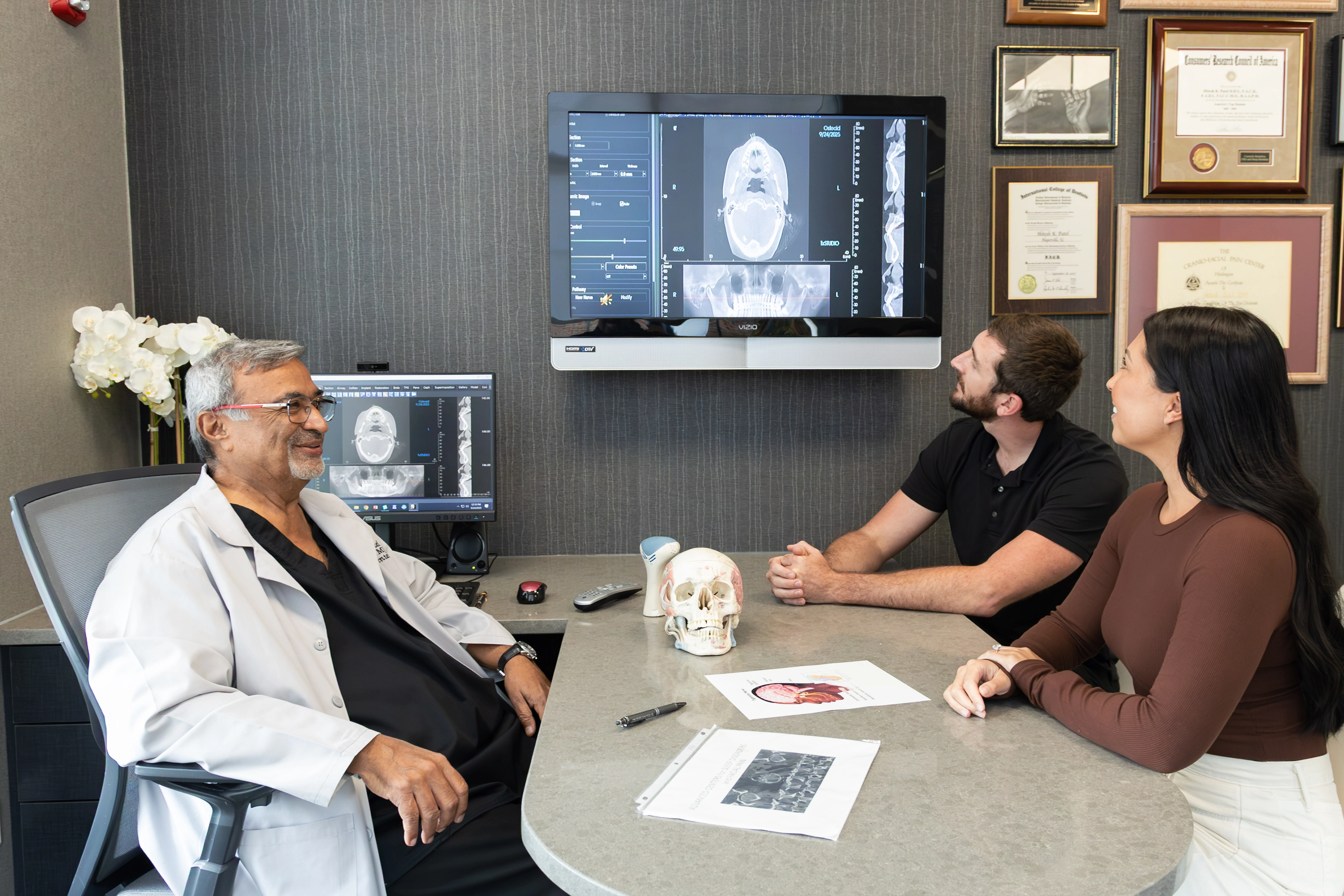
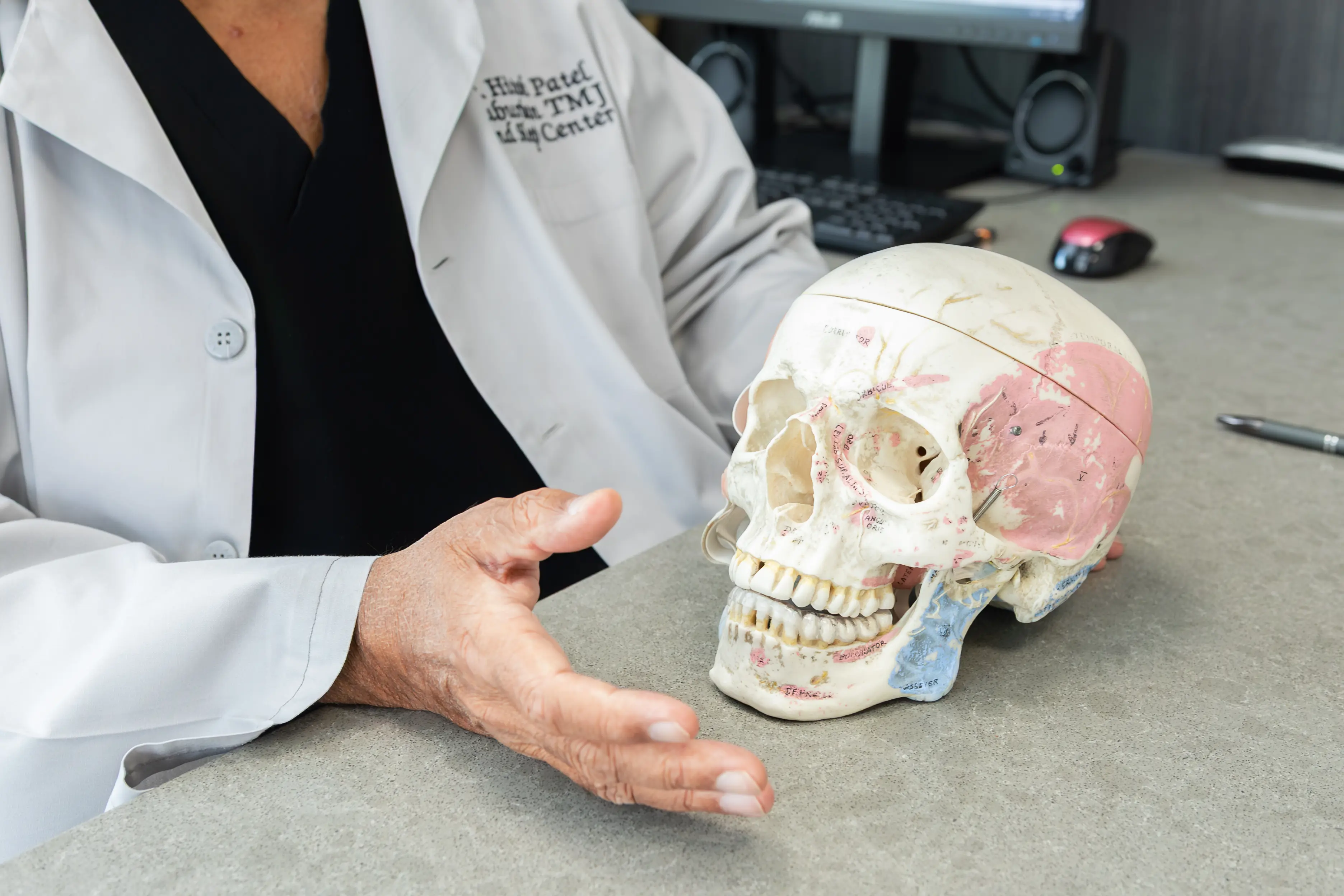
TMJ stands for temporomandibular joint, the small hinge that connects your jaw to your skull. When this joint becomes strained, injured, or misaligned, the condition is known as TMD (temporomandibular disorder or dysfunction). TMJ/TMD can cause jaw pain, popping or clicking sounds, difficulty opening and closing the mouth, and even symptoms that seem unrelated, like headaches, dizziness, or ear pain. At Suburban TMJ & Sleep Center, we focus exclusively on diagnosing and treating these complex conditions. With nearly 40 years of experience, Dr. Hitesh Patel uses advanced diagnostic tools and non-surgical therapies to restore comfort and help patients regain their quality of life.
The Benefits of TMJ Therapy
Treating TMJ disorder can do more than relieve jaw discomfort—it can restore your overall quality of life. From improved comfort during daily activities to better sleep and fewer headaches, the benefits are wide-reaching.

Pain Relief
Targeted therapies reduce jaw, neck, and facial pain so you can get through your day without constant discomfort.
Improved Function
Stabilizing your bite and jaw alignment makes chewing, speaking, and even smiling easier and more comfortable.
Better Quality of Life
Relief from chronic headaches, dizziness, or ear pain helps you feel like yourself again.
The Symptoms of TMJ Disorder
TMJ disorder is often misunderstood or misdiagnosed because the symptoms can mimic other health problems. If you’ve been told that jaw clicking or frequent headaches are “normal,” here’s what to watch for instead.

Issues that directly affect how your jaw functions.
Clicking or popping
Noise in the joint that may worsen over time.
Locking
Trouble opening or closing the mouth.
Jaw soreness or tightness
Constant or sharp pain around the joint.
Uneven bite
Feeling like your teeth don’t come together properly.
Pain that spreads beyond the jaw.
Headaches & migraines
Persistent or recurring pain linked to jaw dysfunction.
Facial soreness
Tender muscles around the cheeks and temples.
Eye pressure
Some patients report tension or pain behind the eyes.
Signs often mistaken for ear or sinus problems.
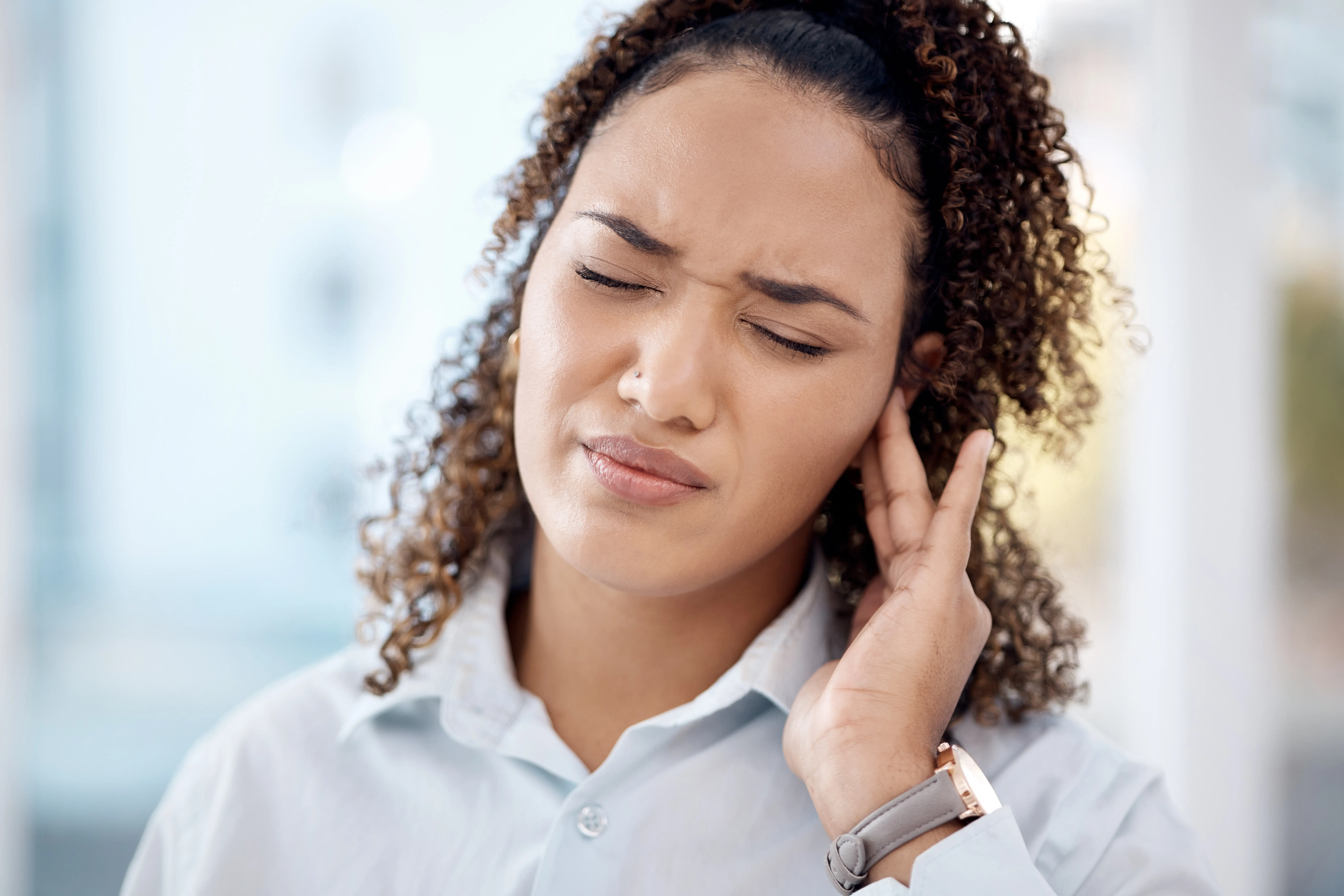
Ear pain or fullness
Pressure or discomfort inside or around the ear.
Tinnitus
Ringing in the ears that may come and go.
Dizziness or balance issues
Caused by dysfunction in the joint’s nearby structures.

Muscle tension that extends downward.
Neck stiffness
Restricted movement or soreness.
Shoulder pain
Radiating discomfort from jaw muscle strain.
How We Treat TMJ
At Suburban TMJ & Sleep Center, we use proven, non-surgical therapies to relieve symptoms, restore function, and protect long-term health.
Heading Text
Sample text is being used as a placeholder. Sample text helps you understand how real text may look. Sample text is being used as a placeholder for real text that is normally present. Sample text helps you understand how real text may look.
Diagnostic Technology
Tools like 3D CBCT scans and our pharyngometer allow us to assess joint alignment, bite forces, and airway health with precision. Accurate diagnosis means faster, more effective treatment.
Oral Appliances
Custom orthotic devices stabilize the jaw, reduce strain, and promote healing. These appliances are made specifically for your bite and can be used to relieve muscle tension, protect teeth, and support long-term joint health.
Progressive Therapies
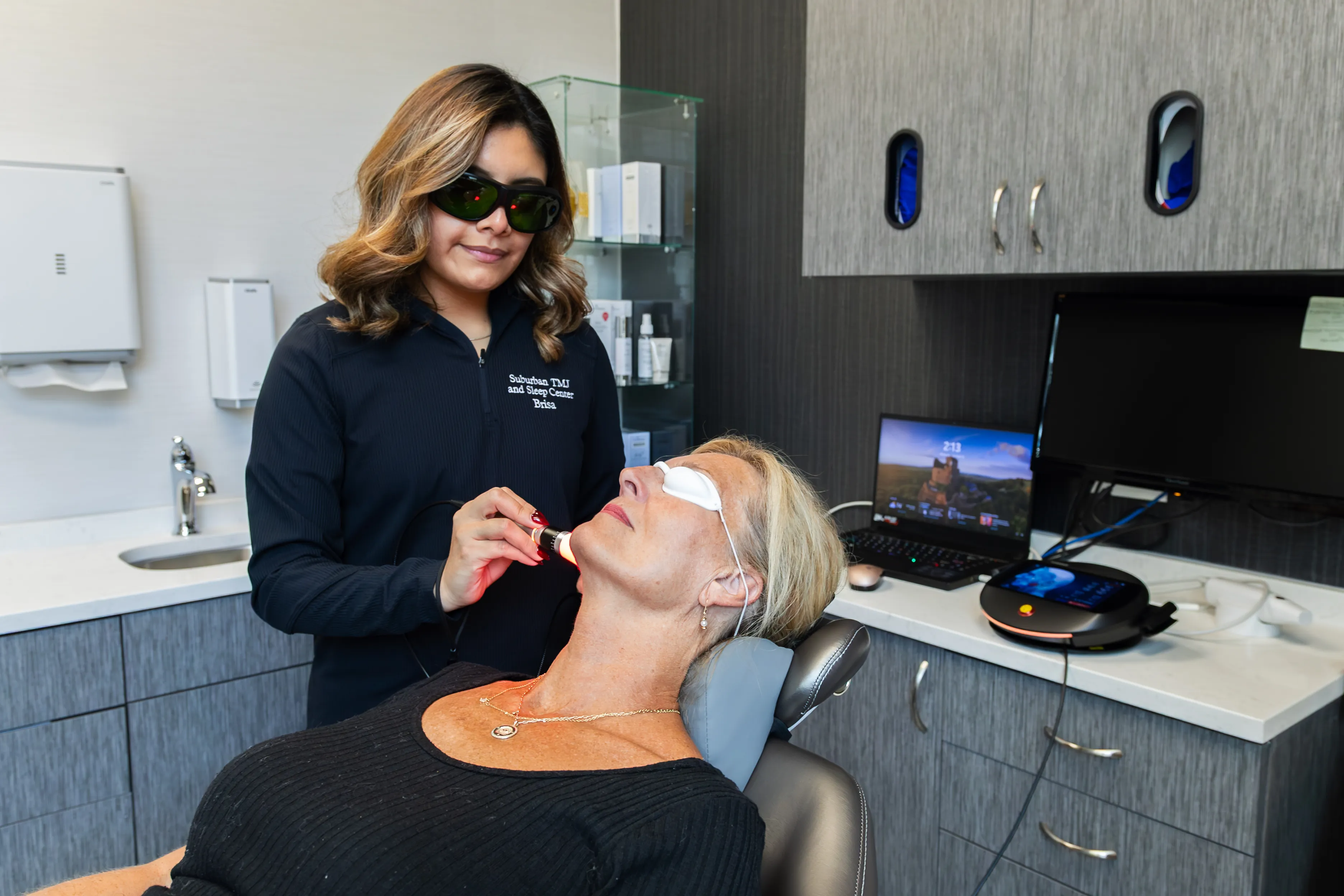
Supportive treatments like laser therapy with our Summus Medical Laser, red light therapy, and TENS therapy promote healing, reduce inflammation, and relax overworked muscles. These adjunctive therapies are integrated into care plans as needed.
Injections & Advanced Therapies
Options such as PRF (platelet-rich fibrin) injections, trigger point therapy, and Botox® address inflammation, promote tissue regeneration, and relax overactive muscles. These advanced treatments provide relief when other options have not worked.
FAQ'S
Here are some of the most common questions patients ask about our diagnostic tools.
No. While many dentists dismiss jaw clicking as “normal,” it’s actually a sign of disc that covers the top of the jaw joint slipping off. Left untreated, it can progress to pain, locking, and long-term joint damage.
Yes. TMJ disorders can trigger tension headaches, migraines, earaches, tinnitus, and even dizziness. Many patients don’t realize these issues are connected until they receive a proper diagnosis.
Absolutely. Dr. Patel focuses on non-surgical therapies like custom appliances, laser and red light therapy, and PRF injections. These methods are highly effective in restoring comfort and function without invasive procedures.



Hours
Mon: 8:00am - 5:00pm
Tue: 8:00am - 5:00pm
Wed: 8:00am - 5:00pm
Thu: 7:00am - 4:00pm
Fri: Closed
Sat: Closed
Sun: Closed