Advanced Diagnosticsin Naperville, IL
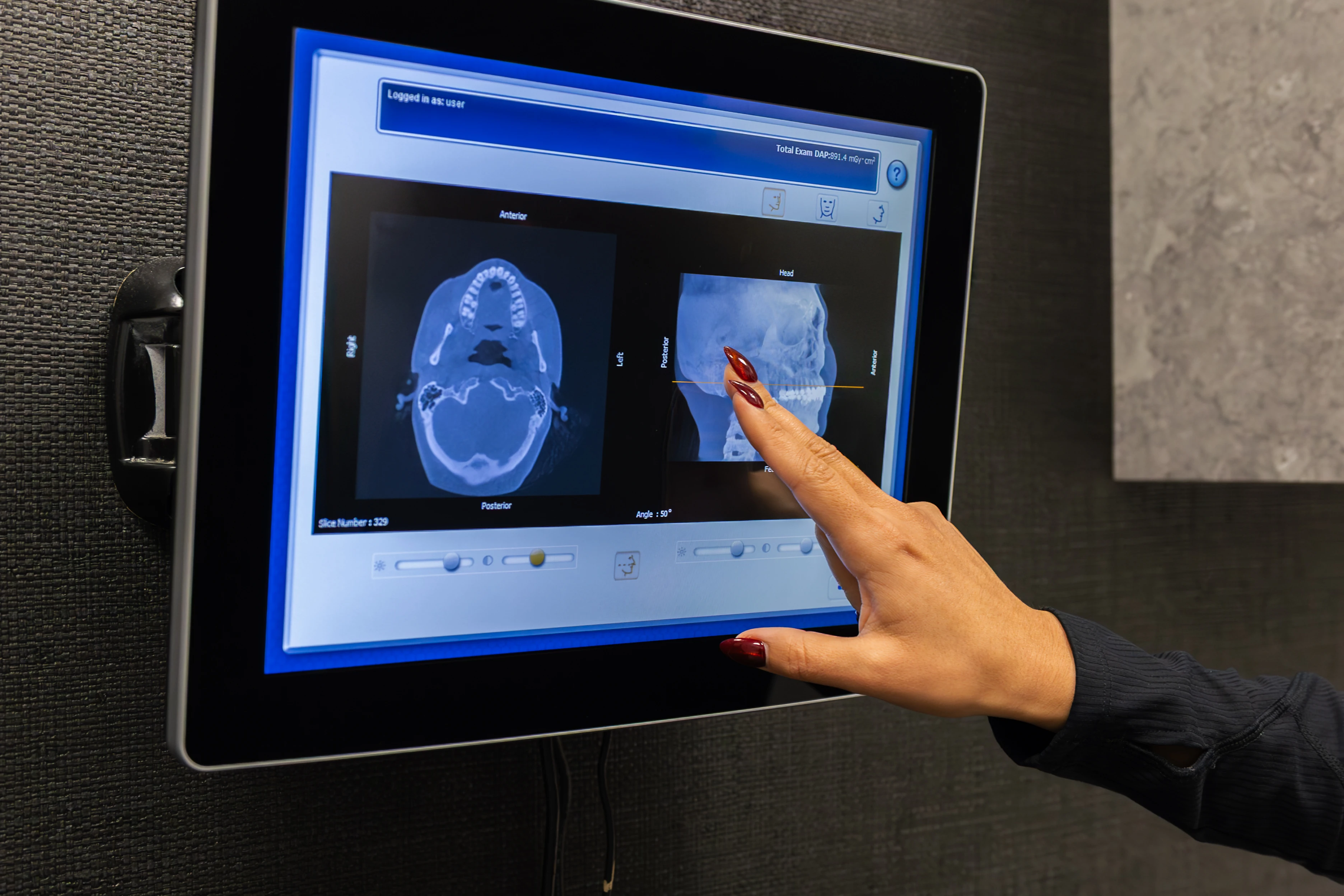
The first step toward lasting relief is an accurate diagnosis. At Suburban TMJ & Sleep Center, we invest in advanced diagnostic technology to uncover the root cause of TMJ pain and sleep apnea. From 3D imaging to airway testing, our tools give you the answers you’ve been searching for.
What is diagnostic technology, and why is it important?
Diagnostic technology includes the imaging and testing tools we use to understand what’s really happening in your jaw and airway. TMJ and sleep apnea symptoms are often misdiagnosed because they overlap with ear, sinus, or neurological conditions. With tools like CBCT scans, bite analysis, and pharyngometry, Dr. Patel can identify the source of your symptoms and design a treatment plan that is tailored to your unique needs. This step ensures you get relief faster and avoid years of unanswered questions.
The benefits of advanced diagnostics
Using advanced tools allows us to pinpoint issues, design better treatments, and give you peace of mind.

Accurate answers
CBCT, bite analysis, and airway testing provide a clear picture of what’s causing your symptoms.
Faster relief
With precise diagnosis, we can create a targeted plan that is effective, instead of wasting time on trial-and-error.
Long-term protection
Early, accurate detection prevents small problems from becoming major issues.
Tools We Use
Our goal is to identify the true source of your symptoms before we recommend treatment. These technologies help us evaluate your jaw joints, bite, and airway with clarity, so your plan is precise from day one.
Heading Text
Sample text is being used as a placeholder. Sample text helps you understand how real text may look. Sample text is being used as a placeholder for real text that is normally present. Sample text helps you understand how real text may look.
3D CBCT imaging
Cone Beam CT (CBCT) creates a detailed, three-dimensional view of your teeth, jaw joints, and airway in a quick, comfortable scan. Seeing joint spaces, bone contours, and condyle position helps us distinguish between muscle-driven pain and true joint dysfunction. For sleep concerns, CBCT can also flag structural airway issues that contribute to snoring and apnea. This level of detail reduces guesswork and speeds up accurate diagnosis. With better information, we can build a more targeted, effective treatment plan tailored to you.
Pharyngometry
A pharyngometer uses sound waves to map the size and stability of your airway—no needles, no discomfort, and it takes just a few minutes. We rely on this data when screening for obstructive sleep apnea and determining whether an oral appliance is appropriate. Baseline measurements help us choose the right device and settings, and follow-up tests show how well your airway responds over time. In short, it helps us move from “I think” to “I know,” so you get results faster and more predictably.
Bite & jaw analysis
Beyond imaging, we evaluate jaw motion, joint sounds, muscle tenderness, and how your teeth meet to understand everyday function. This includes measuring range of motion, checking for deviations or locking, and assessing muscle groups that commonly contribute to TMJ pain. We also review bite contacts to identify stress points that keep the joints irritated. Pulling these findings together paints a complete picture of how your jaw is working—and what needs to change to make it feel better. The result is a plan that addresses both symptoms and root causes.
FAQ'S
Here are some of the most common questions patients ask about our diagnostic tools.
TMJ and sleep apnea symptoms often overlap with other conditions. Without technology, these issues are easy to miss or misdiagnose.
Not at all. All of our diagnostic tools are comfortable and non-invasive.
Coverage varies by plan, but our team will verify benefits in advance and help you maximize reimbursement.

Hours
Mon: 8:00am - 5:00pm
Tue: 8:00am - 5:00pm
Wed: 8:00am - 5:00pm
Thu: 7:00am - 4:00pm
Fri: Closed
Sat: Closed
Sun: Closed